How Frequently Should You Arrange Sprinkler Upkeep?
A healthy and balanced watering system looks burning out from the road, which is the point. Heads turn up, water arcs cleanly, lawn and beds remain green without soggy edges or brown streaks. When a system befalls of song, the indicators creep in slowly, after that you search for one warm week and you are covering dry spots with hoses while the sidewalk stays damp. Great sprinkler upkeep is not extravagant, but it is the most inexpensive insurance coverage you can purchase for your landscape, and it costs much much less than repeated lawn sprinkler repair or overwatering.
I have strolled numerous buildings after dawn run cycles, from small front yards to sprawling sporting activities fields. The pattern is consistent. Owners who set up routine checks invest less on water, replace fewer parts, and prevent emergency situation phone calls during heat waves. The appropriate period depends upon climate, water top quality, system age, and just how the landscape is used, however the framework is predictable. With a little self-control and a number of tactical visits each year, you can maintain your system effective and resilient.
The rhythm of a reputable upkeep plan
If you just desire the headline: prepare for 2 professional check outs each year, after that layer in quick aesthetic checks throughout the watering period. In cool areas, add an official winterization. In warm or coastal markets with mineral hefty water, consider a mid period audit as well. That tempo covers more than 80 percent of systems I see.
The reasoning is practical. Irrigation lives outside. Heads get kicked by lawn mowers. Roots heave pipelines. Fine screens clog. A sluggish leakage that throws away a gallon a minute comes to be a backyard swamp in a month. A yearly go to does not capture seasonal drift and a month-to-month service technician is excessive for the majority of homes. Two touchpoints maintain parts straightforward without adding service bills.
What maintenance really does
An experienced sprinkler maintenance check out is not a quick eye a controller. It is an organized tune up.
Technicians walk each area throughout an energetic cycle, which exposes pressure problems, misaligned heads, and dissimilar rainfall rates in genuine time. They cleanse or change blocked nozzles, change arcs and elevations, confirm pop ups retract openly, and inspect that blades move smoothly. They test valves for proper opening and closing, examine the manifold for leaks, and confirm heartburn preventer function and code tags. On the electrical side, they inspect controller programming, confirm seasonal change portions, and make certain rainfall sensing units, flow sensing units, or dirt wetness probes in fact speak to the controller.
If the system has drip lines in beds, an excellent tech opens up a cap and takes a look at the filter and stress regulatory authority, searching for fines or algae. They also spot check flow at emitters. Finally, they record any kind of required sprinkler repair, from fractured bodies to area electrical wiring faults, and deal alternatives instead of surprise invoices.

That is the baseline for a set up maintenance phone call. Once you understand the range, the timing makes sense.
Climate drives the calendar
The solitary greatest factor in how frequently you service a system is your climate pattern.
In freeze susceptible areas, the year has three beats. Springtime start-up, when you pressurize lines after winter season, is important. Mid season, generally early summer season, you audit performance after lawn has actually filled in and roots have shifted heads. Loss winterization, when a professional evacuates lines with compressed air and safeguards the backflow, protects against expensive freeze damages. Missing winterization can split valves and backflows, which consistently costs five to 10 times a service phone call to replace.
In moderate climates without tough freezes, the cadence softens however the job stays. You still require a springtime check to capture damage from storm particles and off season landscaping. Summer brings greater run times and even more anxiety, which subjects weak valves and limited stress zones. An end of season audit gives you a chance to recalibrate routines as daylight and evapotranspiration prices go down, so you do not drainage in cooler months.
I additionally take note of wind patterns. Coastal properties see more nozzle drift and imbalance from stable wind. Inland valleys with afternoon gusts develop completely dry touches if heads are not dialed in. If your location is regularly gusty during run home windows, even more frequent minor modifications make a quantifiable difference.
Water high quality and stress tell their own story
Two areas with the exact same weather can require various maintenance simply due to what moves through their pipelines. High mineral water will certainly clog great mesh filters and nozzles faster than soft water. In those zones, I suggest cleansing nozzle displays a minimum of twice a season and replacing drip filters even if they look low. For customers on well systems, debris spikes after heavy rain can nasty shutoffs and rotors promptly. A single unscheduled cleansing after the first big tornado may conserve you a telephone call later on when a zone sticks open at 3 a.m.
Pressure swings matter too. Municipal systems with nighttime decreases can starve the last directly long runs. Low pressure appears as brief toss, which develops donuts of eco-friendly around heads and dry in the center. Persistent high pressure, on the various other hand, atomizes spray right into haze that blows away, a typical reason walkways sparkle while the grass stays thirsty. If a maintenance see finds pressure greater than 10 to 15 psi off the nozzle specification, we set up or rectify pressure law at the valve or head. That one action frequently spends for itself within a season with water savings.
System age, controller type, and previous care
An all new lawn sprinkler installment acts differently than a 15 years of age system with patched zones and mixed head types. In the initial year after installment, I like to see 3 touchpoints. A start-up check after the initial two weeks, when dirt resolves and trench lines sink. A mid period audit to fine tune arcs and tweak routines as plant material develops. And a fall evaluation to lock in winter technique or fine tune for off season watering.
After the first year, a contemporary system with matched rainfall heads, stress controlled bodies, and a wise controller with an operating rain sensing unit can work on two brows through per year for most properties. Older systems, or ones with combined directly a solitary area, need more handholding. Expect 2 gos to plus a fast mid summertime run through.
The controller matters too. Straightforward dial timers do specifically what they are informed and absolutely nothing even more. If a landscaper changes your routine to rescue a warm week, then forgets to reset it, you can run heavy for months. Smart controllers help, yet they are not established and forget modern technology. The best settings, site data, and sensors drive results. An upkeep go to checks that logic against actual plant response. Way too many times I locate a controller set to "amazing period grass" while the front lawn is a cozy period Bermuda, or drip zones defined as spray heads, which triples runtime.
Residential lawns versus commercial and sports turf
Commercial landscapes and sports fields need a faster roll. Public frontage and retail beds obtain walked, kicked, and trimmed continuously. Heads lean. Drip lines get nicked by string leaners. For those homes, a monthly light evaluation coupled with a quarterly deep dive is justified. Athletic areas deserve even more focus. You have high wear areas at objective mouths and facility areas, differing soil compaction, and limited performance windows. I track nozzle harmony quarterly on fields and readjust run times weekly throughout hot streaks to match evapotranspiration.
For most homes, that degree would be excessive. A tiny front grass and a couple of beds do not experience the website traffic or tension that justifies constant treatment. Still, borrowing one behavior from sports grass makes good sense. Walk the areas while they run once in a while. Seeing water fly discloses facts a timer screen cannot.
A functional seasonal cadence
Here is a cadence that works for the bulk of house owners and small properties.
Spring start-up. This is when you pressurize the system and find anything that did not survive the off season. We start with a sluggish open on the backflow shutoffs, see the stress hold, then run each zone from the controller. I carry substitute nozzles, a handful of seal rings, and a couple of spare solenoids due to the fact that small repairs below prevent repeat sees. While the grass is still awakening, you can see and readjust head elevations about quality, a small task that prevents scalping by the mower later.
Early summertime audit. When the lawn is proactively expanding and hedges are leafed out, you will see how protection engages with actual plant mass. Expect to bump runtime based on weather condition and examination for uniformity. I frequently include a few targeted mini sprays or a brief strip nozzle for slim sections that a standard head can not get to without overwatering surrounding hardscape.
Late period song and, in chilly regions, winterization. During the tune, we reduce timetables as nights amazing and days reduce. If you utilize a clever controller, this step refers dialing in seasonal readjust and confirming sensing unit inputs. For winterization, a professional links a compressor and evacuates each area at secure stress. Please do not attempt to blow out a system with a small shop compressor. It will certainly stagnate sufficient air to clear futures, and overpressurizing an area with excessive PSI destroys heads and fittings.
If your budget only permits one expert visit, make it springtime. That is when you capture the largest variety of concerns, from winter season breaks to valve sluggishness. You can always call for a brief winterization browse through later on, which sets you back much less time due to the fact that the examination job is already done.
The 5 minute regular monthly self check
Even the best twice annual plan benefits from a fast homeowner run through. On a weekend morning, stand at the aesthetic and enjoy a cycle. Tiny changes obtain you genuine money back on your water bill and much fewer lawn sprinkler repair service calls set off by neglect.
- Look for misaligned heads throwing onto sidewalk, after that twist the body or adjust the arc so water lands on plants.
- Watch for low stress indications like stunted throw or sputtering heads, which suggest a leak or a partially shut valve.
- Check for drips at the riser when an area is off, which means a crying valve.
- Lift a number of sprinkler heads by hand after the zone goes to validate they pull back fully and the wiper seals are intact.
- Note any consistent damp spots or water gurgling from turf, then call prior to it undermines soil or invites fungus.
Set a tip on your phone for the very first Saturday of each month. You will certainly invest much less than the moment it requires to brew coffee, and you will certainly capture 90 percent of slipping concerns prior to they cost you.
Signs you need unscheduled service
Routine routines lug most of the tons, however certain signs should leap the line. I have seen house owners disregard a slow meter spin for weeks only to deal with a high water bill and a sinkhole by a shutoff box.
- A zone that will not turn off or on, specifically if it runs over night or does not perform at all when called.
- An unexpected drop in pressure across multiple areas, which may show a mainline break or a heartburn issue.
- Spiking water expenses without evident house usage changes.
- Brown patches that linger even after raising runtime, signifying protection spaces, stopped up nozzles, or a stuck rotor.
- Controller error messages connected to move or master valve, which usually point to electrical wiring mistakes or sensing unit issues.
Do not wait to bundle these https://troydznw741.theglensecret.com/when-to-replace-vs-repair-making-the-right-lawn-sprinkler-decision with your following arranged check out. Little failings, specifically underground leakages, seldom remain small.
What a good professional checks, and why it matters
When I educate new technologies, I instruct them to see both parts and the pattern those parts develop. A rotor that sweeps as well fast does not simply water less time on the return, it shifts the uniformity pattern downwind. A nozzle blocked with a grain of sand shortens throw, which forces the neighbor head to run longer to make up, and that overdoses the overlap location. Great upkeep returns the system to a developed state.
Valve efficiency is another ignored location. An exhausted diaphragm can close slowly, which maintains water relocating after an area finishes and perplexes circulation sensors. Solenoids that chatter indicate minimal voltage or a sticky bettor. Catch those now and you stay clear of nighttime shocks and controller complication later.
For drip, pressure and filtration are every little thing. If the regulator bleeds past specification, emitters can stand out, and the line weeps at fittings. Filters that look "excusable" commonly conceal a considerable stress decline that deprives far-off plants. Change them on time, not simply when they look dirty.
The cost side, and where you actually save
Homeowners often hesitate to schedule lawn sprinkler maintenance since the system is not clearly damaged. The costs for a tune up feels optional up until a heat wave hits. In method, the mathematics is kind. A regular household maintenance see lands in the 120 to 250 dollar variety relying on market and scope, excluding parts. Winterization in cold environments runs 60 to 140 dollars for ordinary dimension systems. Compare that with a solitary month of overwatering at 20 to 30 percent over demand, which can include 30 to 80 bucks to a water expense for tool yards, even more for large great deals. Include the cost of a backflow repair or mainline leakage if you miss winterization, which generally surpasses 500 dollars.
Then there is plant wellness. Overwatering lawn welcomes fungi that sets you back time and item to cure. Underwatering bushes during facility years causes dieback, and substitutes price multiples of a service telephone call. A little technique in the springtime and mid summertime protects against those unseen costs.
Technology aids, judgment still rules
Smart controllers and sensing units have actually enhanced rapidly. Climate based scheduling, dirt dampness probes, and flow sensors that close down a leaking zone are worth including, especially on bigger systems. I like controllers that log circulation by area, because they supply a baseline. When an area's flow wanders up 10 percent over a month without a routine change, something is leaking. When it goes down, nozzles are blocking. That data allows upkeep end up being proactive.
That claimed, I still walk the site. A rain sensor that looks penalty on the app can be shaded by a seamless gutter expansion and miss out on light storms. A dirt wetness probe might being in a pocket of changed soil that holds water far better than the rest of the bed. Innovation is excellent at flagging outliers and automating ideal assumptions, however your eyes and a tube vital confirm the story.
Working with your landscaper or irrigation pro
Many landscapes are maintained by cutting staffs that readjust the controller when lawn browns. They are attempting to assist, but reactive schedule changes do not change system tuning. Ask your supplier whether their contract includes watering checks, and specify what that implies. A "visual twice" from the vehicle is not an upkeep visit.
If you work with a watering expert, verify range and interaction. Request for an area by zone report with noted fixings and photos for substantial searchings for. Request that they label shutoffs and controller zones properly. These little documents habits save hours when repairing later.
When preparing a new lawn sprinkler installation, budget for the initial year of treatment in the same discussion. You simply invested in framework that touches every square foot of your landscape. Protect it with the establishment duration, then relocate to the long term tempo described earlier.
Edge instances worth considering
Not every property fits nicely into the common plan.
- If you share a master meter or have tiered water prices that intensify dramatically, a flow sensor and quarterly checks can repay very quick since you avoid crossing right into fine tiers.
- If you rely on redeemed water, be gotten ready for even more constant filter adjustments. Recovered water frequently brings great bits that work out in valves and nozzles.
- If your residential or commercial property hosts events or rentals, develop a pre event explore your schedule. Watering running during a celebration is more than an inconvenience, and a solitary kicked rotor can develop a geyser and sloppy patch precisely where guests walk.
- If you handle recently sodded or seeded locations, momentarily increase monitoring. Origins need constant wetness up until they knit. When developed, reduce runtime and verify the much deeper cycle is getting to roots.
Each of these situations take advantage of a tighter loop, not always a long-term modification to the entire home's schedule.
A practical response to the headline question
So exactly how commonly should you set up lawn sprinkler upkeep? For many property systems in average problems, publication two expert gos to annually, one at springtime start-up and one in very early summer season, plus a late season winterization if you ice up. Add a 5 minute monthly self check throughout the watering period. If your water is mineral heavy, you have stress swings, or the system is older and mixed, add a mid season service technician check out to clean filters, validate pressure, and adjust coverage.
Use unscheduled solution sensibly when cautioning indicators appear, especially running zones, inexplicable wet locations, or unexpected usage spikes. Upgrade to wise controls and circulation monitoring where budget plan allows, however maintain walking the website. The minute you see water on sidewalk or hear hissing after a zone closes down, you have actually discovered the most inexpensive fix you will make all year.
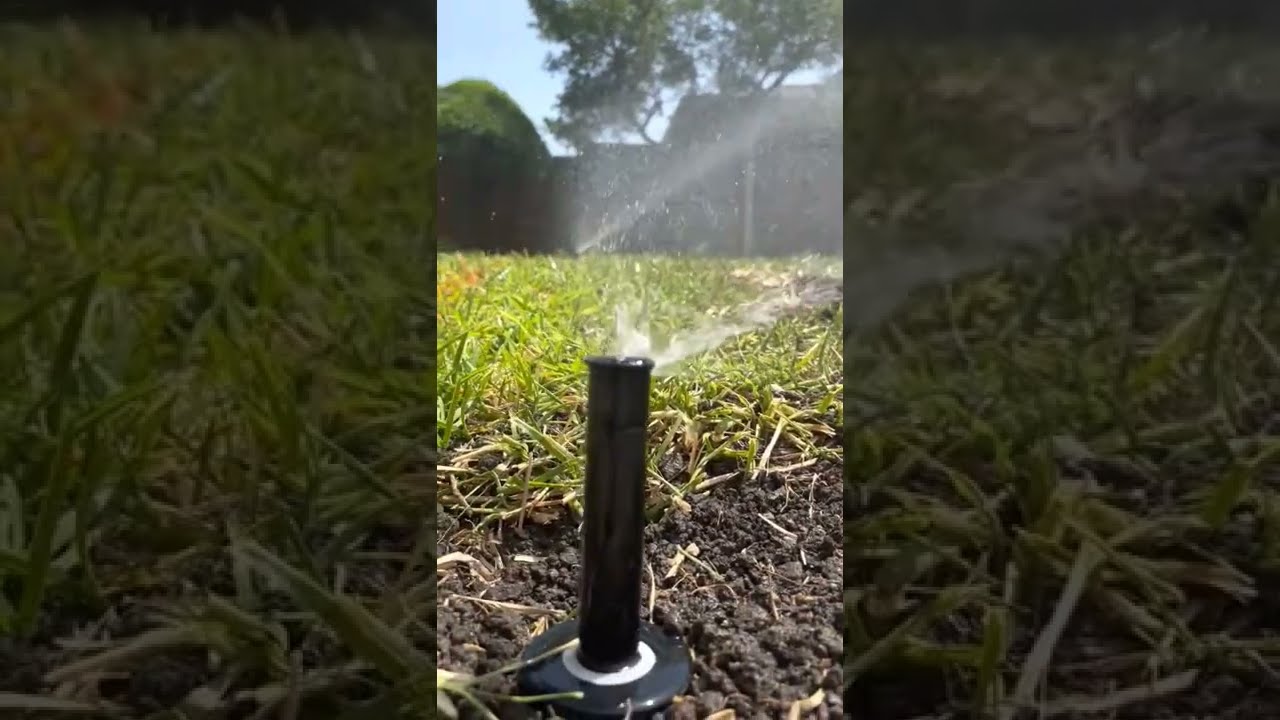
A lawn sprinkler ages like any type of mechanical system. The difference between a collection of valves that hum along for a years and one that hops from fixing to repair is seldom an enigma. It is upkeep at the appropriate periods, done by someone that looks beyond parts and thinks about patterns. Maintain that cadence, and your irrigation will be as unremarkable as it needs to be, silently doing its work while your landscape thrives.