Prolonging System Life: Advanced Lawn Sprinkler Maintenance Best Practices
A properly maintained irrigation system can run easily for twenty years or even more, even in tough water and heavy clay soils. I have seen industrial rotors still rotating true at year 18 since the owner committed to careful water administration and regimented examination. I have actually additionally seen five-year-old systems that looked two times their age, heads leaning like fencing messages in spring thaw, shutoffs chattering versus sediment, and controllers readied to summer routines in October. Long life is not good luck. It is the result of audio installation, targeted lawn sprinkler maintenance, and the willingness to take care of tiny problems before they compound right into expensive lawn sprinkler repair.
Start with the bones: installation choices that pay dividends
The most convenient solution contact us to stay clear of is the one triggered by inadequate format. If you acquire a system, you play the hand you are dealt. If you are still in design or considering upgrades, get the principles right.
Uniform rainfall beats raw pressure every time. On turf, stick with neck and neck protection at matched rainfall rates, specifically on slopes. The leading motorist of irregular wear is mismatched nozzles that force proprietors to overwater to cover completely dry places. That indicates more run time, even more cycles, and much faster aging. Tighten up pipe routing wherever crossings with utilities enhance risk. Glue joints effectively primed and healed for the complete set time are still the most effective insurance coverage against weeping leakages that wear down soil around heads.
For brand-new sprinkler setup, specify swing joints on all pop-ups in grass and hedge adapters with correct riser elevation in planting beds. Swing joints stop lateral pipe anxiety when mowers or feet strike a head, converting a possibly fractured fitting right into a small placement touch-up. Include pressure guideline as a design default, whether via public relations heads, inline regulators, or high-efficiency valves. A 5 to 10 psi reduction, when stress is above target, saves water and relaxes misting that speeds up nozzle wear.
One last installation note that pays lasting: oversized valve boxes with gravel sumps. Adequate area around solenoids and installations indicates you are not reducing and rebuilding every single time you require to change a diaphragm. A tidy, dry box prolongs component life and decreases callbacks.
Water top quality and hydraulics, the twin pressures that age a system
Two things calmly age watering parts: the water moving through them and the stress that drive it. If your resource water lugs grit, iron, or calcium, the internal surfaces of nozzles and valves will certainly scale and abrade quicker. If your fixed pressure differs hugely from dynamic stress, that consistent range of forces will nick seals and exhaustion diaphragms.
Test source water once, then retest every a couple of years or after utility modifications. When iron exceeds roughly 0.3 ppm or hardness runs over 120 ppm as CaCO3, scale and discoloration speed up. You can fight back with upstream filtration, zone-level screens, or routine acid flushing in non-planting months. Many websites can manage with a 120 mesh Y-filter ahead of micro-irrigation and a 60 to 80 mesh in advance of spray areas. Cleanable stainless aspects cost a lot more, yet they take care of repetitive solution with less danger of tearing contrasted to plastic screens.
On hydraulics, action fixed stress at a tube bib or examination port, after that gauge dynamic pressure under flow, preferably at the farthest head in an area. The delta informs you concerning friction losses and the probability of heads starving, which presses proprietors to extend runtimes. And when fixed pressure rests 15 psi over a nozzle's maximum band, misting comes to be a fog that rides off in light wind. That not only drainages, it combs nozzle orifices quicker. Stress law at the shutoff or head levels those tops and decreases wear.

Seasonal rhythm issues greater than any type of single tune-up
Systems last lengthiest when upkeep follows the environment, not the schedule alone. Think in phases: pre-season checks, mid-season modifications, late-season guarding. Each minute has a job to do.
In spring, the dirt is saturated and delicate in numerous regions. Turning a system on at complete tilt compacts soil around laterals and can lean heads. Rather, bring stress up slowly. Open up master valves delicately. Purge lines zone by area with heads covered or nozzles eliminated to air vent particles. Evaluate for winter months heave, especially where freeze-thaw cycles are common.
Mid-season, alter runtimes as plant demand climbs, after that drops. Timetables embeded in June usually continue to be in position via September out of comfort. That extra water not only stresses plants, it increases cycle counts and unlocks to disintegration around heads. If you use weather-based controllers, treat them as smart aides, not foolproof pilots. Validate their outputs as soon as a month against soil wetness and plant performance.
Late period, protect. Short days and reduced sun decrease evapotranspiration sharply. Numerous lawn locations require half the summertime runtime by early fall, often much less. Reduce runtimes prior to temperature levels drop to shield origins and minimize condition pressure. Then prepare the system for inactivity with appropriate blowout techniques or shutoff draining pipes, relying on climate.
A disciplined start-up protocol
A methodical start-up has actually saved me more repair services than any type of solitary behavior. New growth hides misaligned heads. Winter season heave tweaks elevations. The lure is to run all areas for 5 mins and call it excellent. Withstand that shortcut.
Here is a streamlined startup list I show teams:
- Pressurize the major slowly and inspect the water meter for activity with all zones off. Any kind of spin shows a leakage or open valve.
- Flush each lateral with nozzles removed or caps off, after that re-install nozzles after water runs clear.
- Set all heads to grade and plumb, confirm rotation arcs, and replace worn wiper seals that leakage throughout stem travel.
- Verify vibrant stress at one representative head per area and note it for year-over-year comparison.
- Run short test cycles and observe spray pattern in calm conditions to catch misting, watching, or reduced head coverage.
That brief collection, done when per season, catches 80 percent of impending concerns prior to they cost you water or components.
Nozzles, arcs, and the physics of droplets
Nozzles are consumables, not lifetime elements. By year 5 to 7 on hectic areas, the orifices typically show wear proportional to run hours and water quality. You will certainly see follower tails thin at the edges, or the droplet spectrum will skew towards penalties that drift away. The fix is simple: replace with matched precipitation nozzles, and seize the day to deal with arc settings. Prevent the temptation to compensate for inadequate design with larger nozzles on a single head. That creates localized overwatering and boosts torque on the turret, reducing blades life.
If wind prevails in the mid-day, schedule irrigation for morning and pick low-angle nozzles on trouble perimeters. An easy swap to a 10-degree trajectory can decrease drift loss, https://devinavvs189.hexaforgey.com/posts/step-by-step-lawn-sprinkler-installment-for-new-landscapes boost distribution uniformity, and minimize the demand for prolonged runtimes that mature the system faster.
Heads that lean, work out, and seize
Pop-up heads prefer to live at grade, upright, with a tidy wiper seal. Truth is messier. Lawn mowers capture edges, mulch develops, soil works out. Every lean steals distance and distribution. I bring a simple guideline: if a head is greater than 5 degrees off plumb or over half an inch low or high about surrounding grade, reset it. Raise with a shovel, make even the base, compact delicately in lifts, and established the leading ring flush.
Sticking risers that moan en route up usually experience grit in the body or a torn seal. Take apart and wash, examine the springtime for corrosion, and change seals on heads with high run hours. If a particular place sees duplicated contamination, that is an idea to add a zone filter or address a broken side welcoming soil intrusions.
Valves: diaphragms, solenoids, and the art of quiet control
Valves age in predictable means. Diaphragms tense or tear. Solenoids rust at terminals or create intermittent coils. Flow controls drift out of the pleasant place. When a shutoff babbles or stops working to shut cleanly, withstand cranking the circulation control closed up until the noise stops. That masks the underlying problem and starves downstream heads. Instead, isolate and flush. Get rid of the hood, clear debris, examine the diaphragm for pinholes or folds, and check the seat for nicks. Replace with OEM parts when feasible, especially on older assemblies where resistances differ.
Label every shutoff cover with paint or a resilient tag, including zone number and serviced day. It sounds standard, but the ten minutes spent prevents guesswork later and maintains future sprinkler repair work efficient.
Controllers and electrical wiring, where small errors develop huge headaches
The controller closet commonly shows the system's wellness. Neat conductors with proper splices and water resistant gel connectors tend to correlate with less recurring faults. When repairing a dead zone, step resistance on the usual and area cord back to the shutoff. Normal solenoids usually check out in the 20 to 60 ohm array, depending upon the brand. An infinite analysis suggests a break. A close to zero reading mean a short. Document these worths and compare annual. A creeping rise can foreshadow deterioration at a splice.
For clever controllers, adjust site-specific specifications as opposed to accepting the defaults. Program the correct rainfall price for each area based upon nozzle graphes, and dial in dirt kind, origin depth, and allowed depletion making use of observed plant habits, not simply book worths. Smart scheduling that assumes your clay loam is sandy soil will mis-time cycles and push extra endure components.
Sensors that conserve water, and just how to keep them honest
Rain, freeze, and dirt wetness sensors extend element life indirectly by decreasing unneeded runtime. They just help if they are clean, adjusted, and sited appropriately. A rainfall sensor buried under a dense eave or shaded by an evergreen cover will report fiction. Mount it where it sees the very same skies as your grass. Examine each year with controlled water, note trip limits, and replace desiccant or disks as needed.
Soil moisture sensing units add subtlety, however they are not install-and-forget. Place them at depictive midsts for the target plant, avoid rooting dead areas near foundations, and recalibrate after major landscape modifications. Their readings need to associate a screwdriver test in the soil. If the sensing unit claims wet and your screwdriver comes up completely dry, think the screwdriver and troubleshoot.
Pressure regulation extends life as much as it saves water
Fast-moving water amplifies every flaw. At 70 psi with a spray nozzle made for 30 psi, you obtain fog instead of beads and enormous drift. More important for longevity, you also obtain accelerated seal wear, higher torque on blades, and persistent valve tension. I have converted numerous zones to pressure-regulating heads or added valve-level regulators, and the most common owner comment is not concerning water financial savings, it is about stability. Less callouts, fewer heads knocked off placement by hazy overspray that attracted lawn mowers closer, fewer random squeals at zone start.
Target pressures matter. For standard sprays, 30 psi is a typical wonderful area. For blades, 45 to 55 psi depending upon model. For high-efficiency nozzles, adhere to the manufacturer's band. Confirm ahead with a pitot or scale riser, not simply at the valve.
Filtration and flushing procedures for unclean sources
Surface water and old iron keys carry a lot of surprises. Maintain sediment out with presented purification rather than a single, extremely great cartridge that plugs once a week and obtains bypassed in frustration. A display or disc filter at the factor of link down to 60 to 120 mesh secures most spray and drip systems. After that, include zone-level screens where you see duplicated nozzle blockages. Train staffs to backflush filters on a timetable matched to water top quality and run hours, not simply when circulation drops.
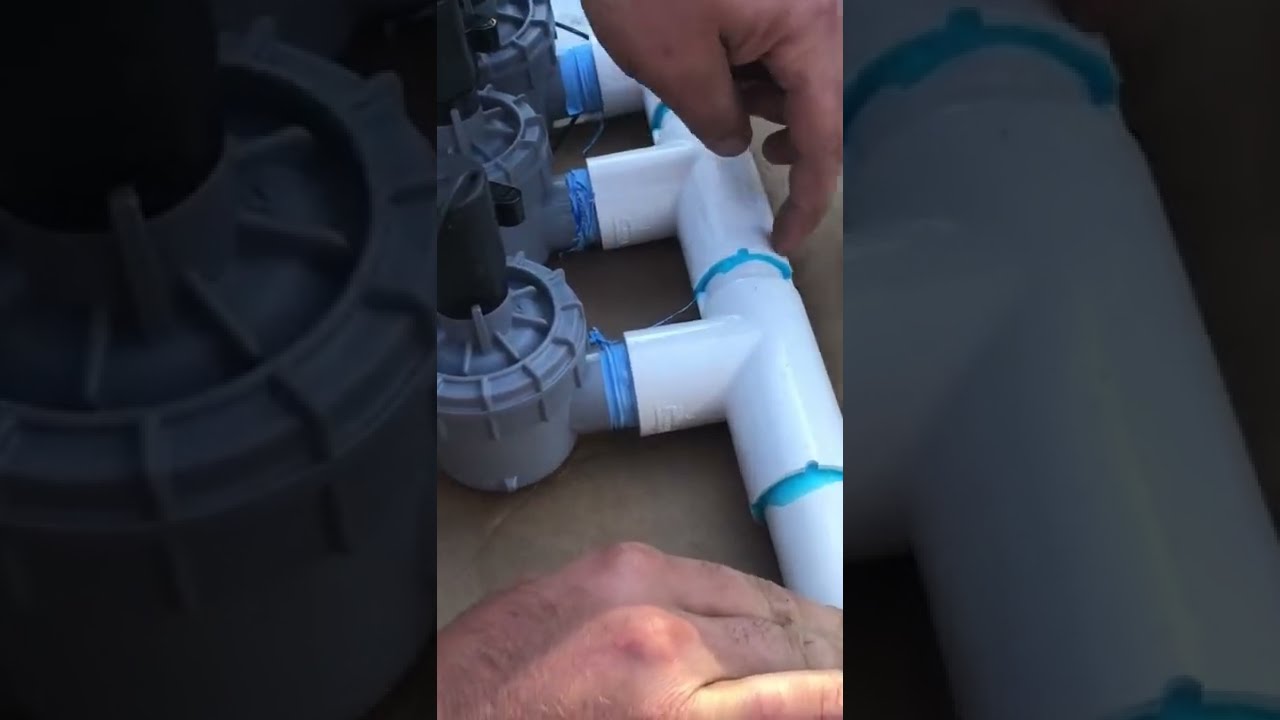
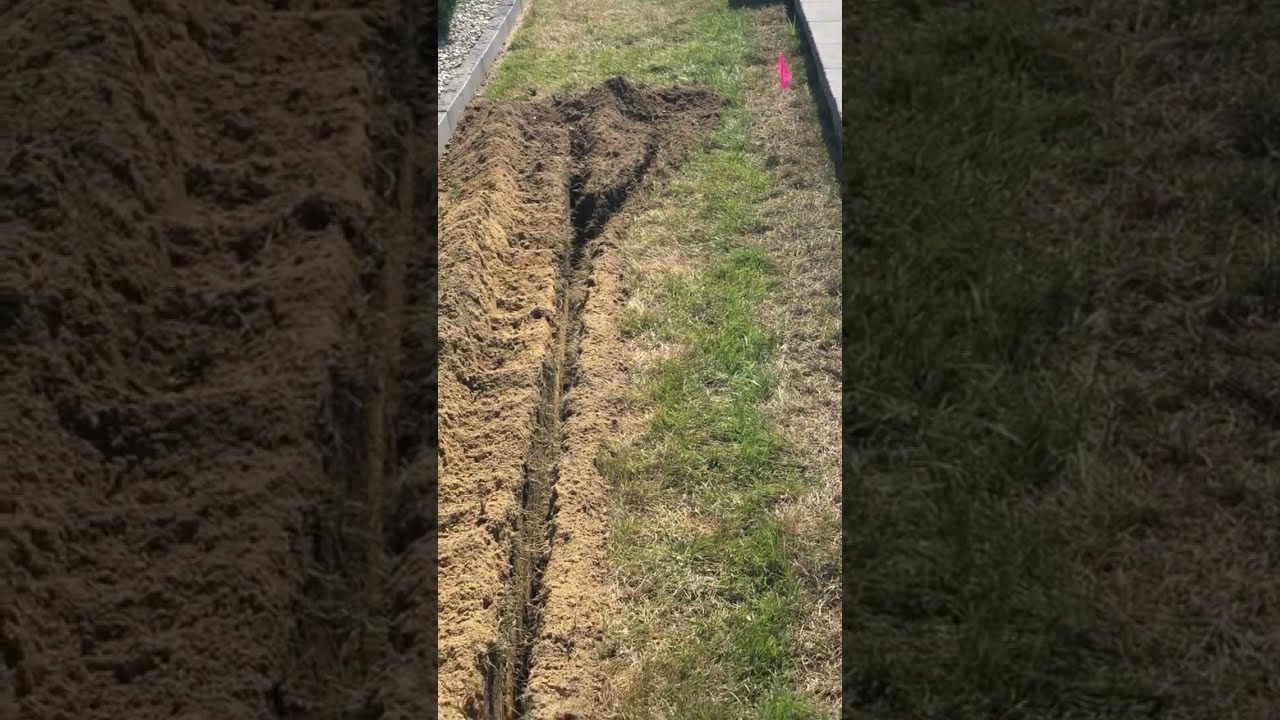
When areas show persistent clogging, run them in flush setting after trenching or landscape work. Draw nozzles, cap stems with flush caps or leave them open briefly, and run until the line removes noticeably. The half an hour invested typically saves hours of random clog searching later.
Leak discovery and the subtle indicators of trouble
Not all leaks reveal themselves as hot springs. Turf staining in a crescent form around a head commonly suggests a lateral split a couple of feet upstream. The wettest area notes the lowest factor, not necessarily the break. Watch the water meter when zones are off. A sluggish spin means a mainline leak or a shutoff passing slightly. If the meter holds constant for an hour yet you see mushy soil at a box, think a localized side or a box without drain rather than a whole-system issue.
Acoustic listening can assist on bigger properties, however a sharp spade and person penetrating typically fix most property and light business leakages. When repairing laterals, removed more pipeline than feels required, deburr, and support the joint so it does not relax in a future void.
Documentation transforms maintenance into a compounding asset
The difference between guesswork and stewardship is a proof. Track head counts, nozzle types, valve designs, controller setups, pressure readings, and service dates. Good records let you detect patterns: a particular valve family that fails at an early stage high-pressure sites, or a bed that swallows heads every spring due to the fact that the dirt needs architectural amendment.
If you are building your first log, capture these basics:
- Zone-by-zone nozzle kinds and precipitation prices, plus target run times for peak season.
- Valve locations with photos, model numbers, and last diaphragm modification date.
- Dynamic pressure at depictive heads and fixed stress at the point of connection.
- Filter types, mesh scores, and solution periods consisting of backflush dates.
- Sensor positionings, calibration dates, and observed limits for shutdown.
Digital is great. A simple shared spreadsheet with pictures functions along with specialized software application as long as someone updates it. What issues is continuity.
When to fix and when to replace
There comes a point where bit-by-bit repairs set you back greater than a targeted upgrade. If a zone has blended spray bodies from 3 eras, a dozen adapters, and no pressure law, your repair work dollars chase after signs. Replacing that zone's heads with pressure-regulating designs and matched rainfall nozzles can extend life and cut runtime. On shutoffs, if diaphragms fall short in clusters and bonnets reveal stress whitening, you are most likely near the end of service life for that line. Restore packages can acquire an additional 5 to 7 years, yet only if the seats continue to be clean and unscarred.
Controllers have a tendency to last a years or even more. If irrigation demands have actually grown complex, or you are regularly overriding a standard clock to match weather, an upgrade to a weather-responsive device with correct site calibration might minimize run hours 10 to 30 percent. Less hours translate to longer component life.
The business economics of prevention
Most owners track water costs, fewer track component devaluation. A common residential system with eight to twelve areas may see $150 to $400 annually partially if overlooked, commonly in 3 or four emergency calls. A regimented regimen of inspection, filter solution, and tiny components replacement might run half that, with the included benefit of reduced water usage. On business turf with loads of rotors, the financial savings range up. I have actually seen local websites cut repair work cases by a third in 2 seasons simply by enforcing stress law and swapping used nozzles on a schedule.
When budgeting, alloted a percent of annual water invest for aggressive lawn sprinkler upkeep. A rule of thumb I offer centers groups is 15 to 25 percent of the water costs as a maintenance get. In high-cost water areas, you might spend that on filtering and pressure control in year one, then gain both water and fixing cost savings thereafter.
Edge cases that test your plan
Not all websites are created equivalent. Recovered water frequently lugs greater solids and variable stress. Salt material can tense diaphragms faster. For those websites, upsize purification, tighten service periods, and maintain additional seals on hand. Coastal wind patterns argue for low-angle nozzles and much more mindful organizing. Steep inclines force short, repeated cycles, raising valve operations. There, prioritize high-reliability valves and think about damaging areas right into micro-slope areas to lower cycle matters per valve.
In dry climates with big everyday temperature swings, rubber parts cycle via growth and tightening much more boldy. Expect seals to age out a season or more earlier than in warm locations. Mitigate with shade on controllers, clean electrical connections, and components bins matched to your environment.
Training the hands that touch the system
Even the most effective strategy falls short if the people maintaining the system are hurried or untrained. A 30-minute tailgate session at the start of springtime covering standard placement, pressure checks, and documents standards pays back swiftly. Urge staffs to repair minor problems instantly rather than deferring to a later visit. A leaning head fixed during inspection avoids scalping, which avoids a broken riser, which stops a weekend break emergency.
If you deal with a specialist, make assumptions explicit. Request a springtime start-up record with stress, headcount by kind, and images of any major problems. Specify response times for leaks and write into the contract that nozzles will be changed with matched precipitation kinds, not whatever remains in the vehicle bin.
Safety and care around utilities and structures
Irrigation fixings frequently imply digging. Call utility locators where required, even for shallow operate in unknown ground. Prevent trenching near tree trunks to safeguard flare origins, and never wrap a head tight to a trunk to "simplify" insurance coverage. Origins and bark will certainly expand over it, capturing the head and guaranteeing breakage.
At building perimeters, goal spray away from house siding and foundations. Water that sheets down a wall surface for many years will certainly discolor, rot trim, and trigger parasite issues. Adding a dripline in beds versus structures and retiring the closest spray head commonly removes risk and minimizes part matter, which lengthens life.
A couple of lived lessons from the field
A school area had persistent break downs on an area with 72 blades. The prompt culprit seemed to be youngsters tipping on heads near the sidelines. The underlying problem was stress. Fixed stress at the factor of connection sat at 95 psi, dynamic at the far heads was still above 80 psi. Misting was widespread, arcs were irregular, and seals stopped working early. We added a 60 psi regulatory authority on the major branch and transformed the most awful zones to PRS rotors. Breakdown calls come by half the following season, water use dropped by about 18 percent, and seal replacements virtually stopped.
On a little HOA, a recently landscaped slope deteriorated every spring. The landscaping company condemned rains. The genuine cause was a mix of 15-foot nozzles and 12-foot arcs on the same area, compeling long runs that overwhelmed the incline. We transformed to matched precipitation, low-angle nozzles and established cycle-and-soak with four brief cycles. The slope held, plant vitality improved, and runtime reduced. More significantly for long life, valve cycles were foreseeable and much shorter, reducing chatter and diaphragm wear.
Pulling it together
Long life in an irrigation system is never ever regarding a single trick. It is the aggregation of sensible selections, from lawn sprinkler installation information to gauged seasonal changes. Get water quality in control. Regulate pressure to what your nozzles expect. Replace nozzles on a schedule before spray patterns weaken. Maintain heads at quality, upright, with clean seals. Service valves with persistence and the best parts. Adjust controllers and sensors based upon observed problems, not marketing duplicate. And record everything so you can pick up from the system's history rather than relearning the very same lesson each season.
Treat lawn sprinkler upkeep as a craft. The system will certainly award you with fewer surprises, much healthier landscapes, and parts that age gracefully as opposed to prematurely.