Top 10 Lawn Sprinkler Repair Work Tips Every House Owner Ought To Know
A great watering system fades into the history when it is doing its work. The yard remains also, beds are happy, and you do not need to babysit a pipe after work. When it goes sideways, it goes fast. A damaged head can discard thousands of gallons in a weekend break, a stuck valve can sink an area, and a misadjusted nozzle can toss a sheet of water on your driveway while your roses shrivel. I have actually walked right into greater than one lawn where a fifty dollar component would certainly have conserved a thousand buck water bill.
These pointers come from years of sprinkler repair work, sprinkler maintenance, and numerous fixing phone calls. Whether you installed your system or acquired it, the same regulations use. Maintain it leak-proof, also, and simple. Many repair work are available of a handy house owner with a tranquil method and a couple of practical habits.
Start with pressure and protection, not parts
Many individuals start by swapping heads or changing shutoffs, after that wonder why the system still underperforms. Prior to you touch a shovel, obtain a sense of pressure, circulation, and insurance coverage. Your objective is to move water uniformly, at a price the soil can absorb, to every square foot in the zone.
If you have a pressure scale, thread it onto a tube bib closest to the factor of link for the lawn sprinkler setup and read static pressure. Eighty psi at the faucet will shred nozzles and haze water into the wind. Thirty psi at the zone may be great for sprays, yet blades will have a hard time. For a lot of domestic systems, a wonderful place is 40 to 55 psi ahead for rotors, 25 to 35 for taken care of sprays. If your static pressure is high, a stress controling shutoff at the primary, or pressure regulated heads and bodies, are worth their expense. If it is low, prevent high circulation nozzles, run fewer heads per zone, and look for partially shut shutoffs or a clogged up backflow preventer.
Coverage is the 2nd pillar. Lawn sprinkler design relies on head to head protection. That indicates the throw from one head ought to reach the next. When I see completely dry crescents at the edges, it is normally a spacing or nozzle inequality, not a dead head. Walk the area while it runs. Look for thin fans, fogging, or hot springs. You can fix a lot by tuning nozzles and arc patterns before changing anything.
Get familiar with your controller, after that simplify
I have actually shed matter of the systems that ran wrong just since the controller was established like a spaceship. Every add on, every sensing unit, and three overlapping programs from previous owners. Begin by identifying areas in human terms, not just numbers. Front yard left, veggie beds, slope near driveway. Run each area by hand and make a note of run times, nozzle kinds, and head counts.
Then streamline. Place grass on its own timetable and beds on their own. Clay dirt prefers less, much longer cycles with a soak period. Sandy soil may need shorter, more constant cycles. Seasonal adjust is your buddy. If your controller has a portion readjust, establish your springtime baseline, after that nudge 10 to 20 percent up or down every month as opposed to revising every program. When you make a repair service, run the zone and conserve a note in your phone. In 6 months, you will not bear in mind which nozzle you swapped.
Smart controllers can help, yet they still need an appropriate base. I have seen "wise" boxes irrigate via a rainstorm since the rainfall sensing unit was bypassed during a previous repair work. Ensure any sensors installed are wired correctly, the setups match your environment, and the controller has your nozzle kinds and rainfall prices establish accurately.
Fix the obvious leaks initially, after that go after pressure drops
A small lateral leak can cost you stress and produce weak zones that resemble nozzle issues. Do a fast meter check. Turn all water off in your house and backyard, then watch the water meter. If the leak indicator rotates, you have a pressurized leak someplace. With sprinklers off, that usually indicates mainline or a valve body. With an area operating, walk the area, seek soggy places or gurgling. I sometimes make use of a lengthy screwdriver as a soil probe. Soft areas 3 to 6 inches down often show a tiny split in poly pipe.
Repairs are uncomplicated if you maintain a few habits. Cut pipeline clean, not at an angle. Deburr PVC, adhesive appropriately, and provide it a min to set. With poly, use insert installations with stainless clamps, not worm secures that rust. For threaded links, cover three to 4 turns of PTFE tape clockwise on male strings. Do not overdo paste on irrigation threads, specifically on plastic heads. Hand tight plus a quarter turn is more secure than cracking a fitting.
When you are done, flush and test. Dust inside lines will head straight for your nozzles and shutoffs. Pop the nozzle off one head at the end of the line, run the area for a minute, after that reinstall.
Track down unseen blockages with a straightforward flush routine
Most "dead heads" are not dead. They are blocked. Difficult water, great silt, and tiny plastic shavings from negative cuts all move into nozzles and filters. If a head turns up yet barely throws, loosen the nozzle and pull the tiny filter under it. Rinse and reinstall. On blades, eliminate the nozzle set screw, draw the nozzle, then delicately open the interior display. If it is corrosion colored, consider a filter at the factor of connection, or a Y filter upstream of the manifold if debris is chronic.
I keep a dedicated bucket for flushing. When I fix a zone, I pull the last head, thread in a riser stub without any nozzle, and let the line purge until it runs clean. It includes 10 mins and eliminates most return visits.
Replace damaged heads with the best body, not the most beautiful cap
A fractured head that never ever seats, a leaning riser, or a sheared off stem drainages whenever the area runs. When you replace, match body type, elevation, and thread. A 4 inch taken care of spray body does not substitute for a 6 inch pop up in high fescue. If the base is sunken, increase the head with a swing joint or a short section of amusing pipeline so it sits flush with grade. A head buried low will certainly suck in dust every cycle.
Also match the nozzle family members. Mixing brands can transform precipitation prices even when arc and span look comparable. If you are attempting to remedy a dry wedge near a walkway, do not simply crank up the arc and splash the concrete. Take into consideration a corner nozzle, or a brief distance nozzle aimed to keep head to head coverage without waste.
Many homeowners love high performance rotary nozzles on sprays, and they can be outstanding when pressure is right. They throw a gentle stream that withstands wind and applies water gradually. They likewise require higher stress than standard sprays to function well. If your area works on the reduced side, switching to rotating nozzles anywhere may make points worse, not better.
Keep valve boxes dry and organized, or pay for it later
Valves are the brain stem of the system. When solenoids rest under water, cords rust, and sand creeps into diaphragms, you obtain stuck areas, ghost watering, or valves that will certainly closed under low pressure.
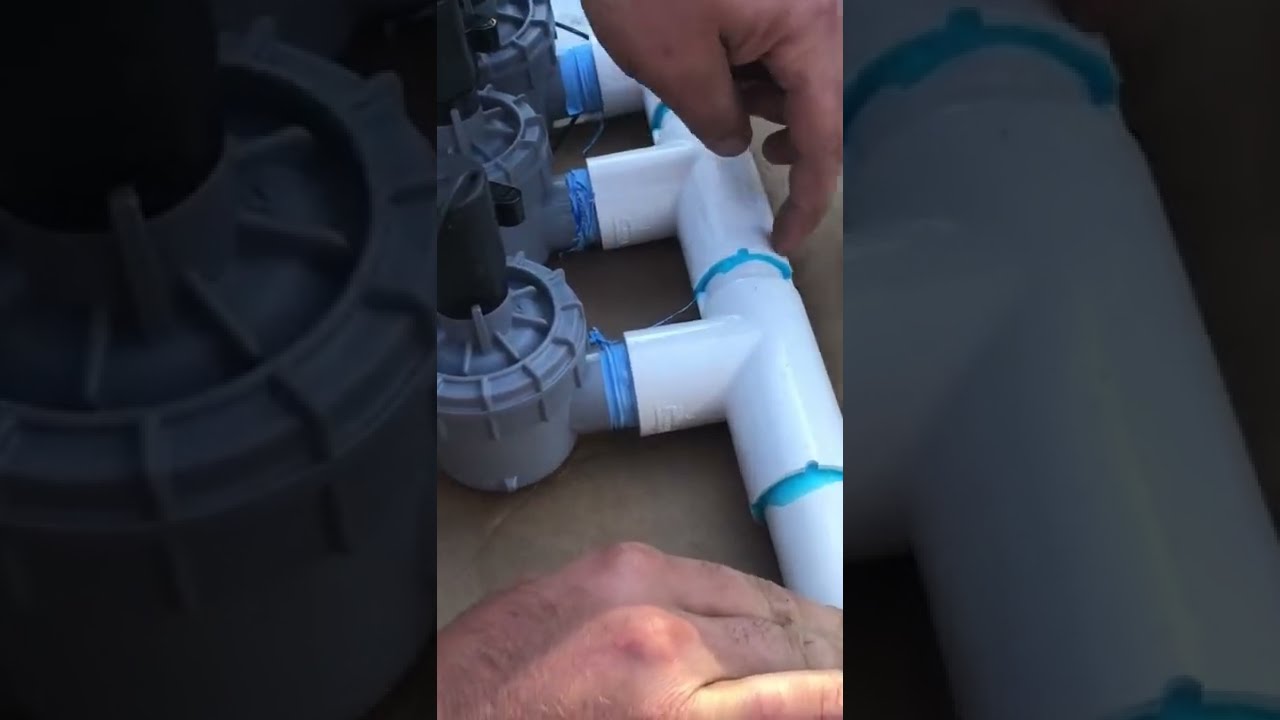
Open each box, bail or pump out standing water, and elevate reduced boxes to grade with a brand-new box or expansion if required. I like to bed shutoffs in several inches of clean crushed rock for drain. If your dirt is clay, it could seem like a lost cause, yet gravel still acquires you time after heavy rain. Check for union installations to make future service easier.
Inside package, offer on your own clearness. Label wires with water-proof tags or colored heat shrink. Note the zone number and area offered. Tug gently on each cable nut. If they crumble, replace with waterproof ports made for direct burial. A common family https://deancvdz211.almoheet-travel.com/common-lawn-sprinkler-head-issues-and-how-to-repair-them twist cap covered in tape will certainly not last a period in moist soil.
When a shutoff will certainly not shut, debris in the diaphragm or a damaged diaphragm is generally the cause, not a poor solenoid. Kill power, dismantle the top, wash each flow, and check the tiny hemorrhage port. If the diaphragm is stiff or torn, restore packages are cost-effective and repair most issues.
Watch the wind, dirt, and slope before you add run time
Brown places do not always imply inadequate water. On a south encountering slope in July, you can run twice as lengthy and still watch water sheet right into the road. Soil intake price issues. Clay might take 0.25 inches per hour. Some sprays deliver over an inch per hour. If ponding begins after 10 mins, split the face 2 7 min cycles with a 20 minute take in between. Lots of controllers have a cycle and saturate function that manages this reasoning for you.
If the wind routinely pushes spray off training course in the afternoon, schedule lawn in the early morning and beds in late night when air is calmer. Be mindful of regional watering regulations. In frost vulnerable areas, morning watering is much safer for lawn condition than night watering.
A little mathematics assists. If your nozzle collection applies 0.5 inches per hour and your lawn needs concerning 1 inch each week in summer, a total amount of 2 hours per week on that area will certainly do. Readjust for heat and shade. In my location, shaded turf requires 30 to 40 percent much less water than full sun. When you see those numbers, you quit thinking with the dial.
Do a spring stroll, not a spring panic
The initially warm weekend break frequently becomes frantic telephone calls. Heads stuck, water everywhere, alarms on backflow devices. Most issues are very easy to prevent with a tranquil restart after wintertime or a lengthy dormant period. This is the one location a brief list defeats prose.
- Open the major water valve slowly, a quarter transform at a time, stopping to let pipelines fill up and remove trapped air.
- Inspect the heartburn preventer for fractures and drips, tighten examination penis gently, and verify deals with are parallel to flow.
- Power up the controller, replace batteries if it has them, and verify day, time, and seasonal adjust.
- Run each area by hand, see every head extend and retract, and tidy or replace stopped up nozzle filters.
- Set mowing height and readjust head heights so caps sit level with the soil, not buried or sticking up like stakes.
If the heartburn spits or chatters when you fill, air is moving through. Reducing the fill typically quiets it. If it leaks at the seam, the body may have split from a cold wave, which is not repairable. On check assemblies, seek water in the safe. A trickle may imply a fouled check. Lots of municipalities call for a licensed tester for fixings, so know your local code before you wrench on heartburn devices.
Diagnose electrical issues with a 5 minute test prior to you dig
When an area rejects to start, it is alluring to think a bad shutoff and begin reducing. Invest 5 minutes with a multimeter initially. At the controller, trigger the zone and check for 24 to 28 volts AC between the common and the area terminal. If you have voltage, head to the valve box and test throughout the solenoid leads. Voltage existing yet no audio or motion normally points to a stopped working solenoid. No voltage at the valve yet proficient at the controller suggests a damaged wire or a fallen short splice.
You can also use an easy battery pack to examine a shutoff. Attach both cause a 9 volt battery briefly. A healthy solenoid will certainly click. Do not leave it linked, you can melt it out. If the solenoid clicks but the valve will closed when commanded, reconstruct the diaphragm and tidy the flows before changing the entire shutoff. Nine breaks of 10, this conserves the day.
If wires are a mess, avoid the temptation to turn brand-new ones into the old bundle without a plan. New straight burial cable and correct waterproof ports require time currently and spare you hours later. Where wires cross origins or stones, lay them in sand for a little cushion.
Match parts to water high quality and climate
Not all lawns are equal. Hard water develops range inside nozzles and sticks appear in the up position. Salty seaside air rusts metal screws on rotor nozzles faster than inland environments. If you battle scale, think about nozzles and heads with bigger screens and very easy access for cleaning. A basic vinegar soak can remove mineral buildup on removable filters. If safe and clean water is scarce and you make use of a well or recovered water, plan for larger particles and even more constant filter checks. Some recovered systems stain concrete. Guard pathways by tightening arcs and picking nozzles with better side control.
Cold climates require additional care around backflow preventers and revealed risers. Protect and, if code enables, wrap heartburns with warmth tape. In position where winterization is necessary, quick couplers and drain valves accelerate the procedure. In warm yet gusty zones, taller turn up on sprays can toss through taller grass and recoup some coverage lost to wind, yet only if stress is in range.
Build fixings like a future you will certainly appreciate
Every time you open up the ground, think about the following repair work. Swing joints with adaptable funny pipe give you space to change head elevation and alignment without breaking the side line. Shutoffs with unions let you rebuild without reducing. A valve box with a few additional inches of slack in the cable bundle makes a solenoid swap take mins, not an hour of cursing.
Keep extra parts that match your system. One set of rotor nozzles, a handful of spray nozzles alike radii, a couple of 4 and 6 inch spray bodies, one extra blades or 2, PTFE tape, a quart of guide and concrete, a roll of direct interment water resistant adapters, clamps for poly, and a couple of compression combinings sized to your lateral pipe. Tag the container. When a head obtains run over on a holiday weekend break, you will certainly not be racing the store's closing time.
A word on when to redesign as opposed to repair
Some systems battle you because they were never ever ideal to begin with. If an area tries to water front yard and back hedges with each other, you will always overwater one or undersea the various other. If heads on an area mix blades and dealt with sprays, precipitation never equilibriums. If your static pressure at the main is 90 psi and no one mounted a regulator, you are replacing heads because the system is chewing them up. Lawn sprinkler repair work can just do so much when the bones are wrong.
It deserves attracting your system theoretically. Map out zones, head kinds, nozzle dimensions, pipeline dimensions, and the controller programs. If you see obviously blended applications, take into consideration a small rework. Split that area so beds are different from lawn. Include a pressure regulatory authority to the major or per valve manifold. Change a dissimilar collection of nozzles so every head on a zone tosses the exact same precipitation rate.
For brand-new lawn sprinkler installment or significant overhauls, the exact same regulations make certain also watering. Head to head spacing, matched rainfall, stress in range, and tidy, easily accessible shutoffs. That foundation makes every later fixing cheaper and easier.
Winterization without drama
Where the ground ices up, water in the lines will certainly locate a method to split something expensive. You can pay a professional with a huge compressor, or do it carefully on your own if you have the right tools. The purpose is to relocate air with each zone carefully, not blast fittings apart.
- Shut off the watering major and open the drainpipe at the lowest point if one exists, then open up a test penis on the backflow to alleviate pressure.
- Connect an air compressor to the blowout port with a correct adapter, keep stress at 40 to 60 psi for sprays, 50 to 70 for rotors, and never ever exceed the system's rating.
- Run each zone with air up until haze becomes a great spray and afterwards simply air, biking two or 3 times instead of one long blast.
- Leave ball shutoffs on the heartburn at a 45 degree angle and test cocks cracked open to stop trapped water.
- Note any type of heads that did not pop with air, note them for a spring check. Those frequently conceal sand or a cracked body.
The key is perseverance. Brief cycles clear water without producing destructive heat from air friction. If your compressor has a hard time to maintain, do not run two zones at the same time. Give it time to charge and do it right.
Small adjustments that pay for themselves
Several inexpensive modifies decrease water usage and improve performance. Pressure managed spray bodies are my preferred upgrade in gusty or high pressure areas. They maintain regular output from head to head and lower fogging. Check valves constructed right into heads keep reduced spots from draining after each cycle, which protects against puddles and mud. Flow control on shutoffs lets you dial back a zone that is just a touch too hostile without transforming nozzles.
An inexpensive rainfall or soil moisture sensor stops cycles when nature has actually currently done the job. Simply cable and configure them effectively. I have actually seen sensors "installed" yet left zip incorporated the valve box, which does nothing. Mount rainfall sensing units where they see the sky, not under an eave. Adjust soil sensors to the crop, not a common default.
Finally, edge your turf line and maintain heads vertical. A leaning head tosses a crescent shaped pattern that no amount of additional run time will certainly deal with. As soon as a month throughout the growing season, stroll the residential or commercial property while a zone runs. You will spot a slanted riser, a clogged up filter, and a leaking cap long prior to you see a brown patch.
When to call a pro, and just how to make that call count
There is no embarassment in telephoning for aid. A broke down lateral under a fully grown maple origin ball or a falling short backflow look at a managed line can consume a weekend and still leave you thinking. When you do call, be ready with specifics. The controller make and design, valve box places, any kind of mistake codes, and what you have actually currently attempted. Pictures aid. An excellent contractor values a homeowner who has actually done standard lawn sprinkler upkeep and kept records.
Ask for parts by brand name if your system is primarily one producer. Consistency makes future solution cleaner. If the professional recommends broad adjustments, request a short reasoning. A 5 minute discussion concerning stress monitoring or matched rainfall can conserve you duplicate visits.
Bringing it all together
A lawn sprinkler is a set of basic machines held with each other by water, electrical energy, and dirt. The more you streamline and standardize, the much easier each repair work comes to be. Beginning with stress and coverage, keep valves completely dry and classified, flush lines after any type of cut, and use parts that match the area's requirements. Adjust for soil, wind, and incline prior to you throw extra minutes at a problem. Be gentle with winterization, and do one tranquil springtime stroll prior to the season.
I have actually seen grass recoup from a summer of patchwork with absolutely nothing even more exotic than correct nozzles, a stress regulator, and a controller set to cycle and saturate. I have actually additionally seen all new systems limp along because nobody matched rainfall or split beds from lawn. If you carry one concept from this checklist, let it be this. Place the ideal water in the appropriate location at the best price. Do that, and every lawn sprinkler repair service you make will certainly last, every round of lawn sprinkler maintenance will be shorter, and every buck you spend will show up in a much healthier landscape as opposed to on your water bill.